Echoes from Africa: A response to Bishop Dr. Paul Murray’s “Despite the massacres, Nigeria’s Church still sings.”
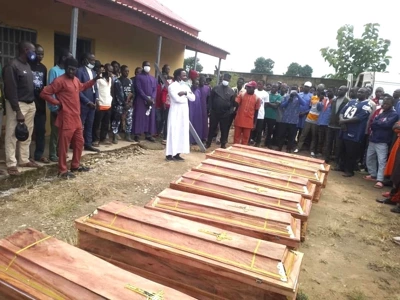
Funeral of Christians killed on Aug. 28, 2025, in Kauru County, Kaduna state, Nigeria. | Iliya Tata for Christian Daily International-Morning Star News

Funeral of Christians killed on Aug. 28, 2025, in Kauru County, Kaduna state, Nigeria. | Iliya Tata for Christian Daily International-Morning Star News

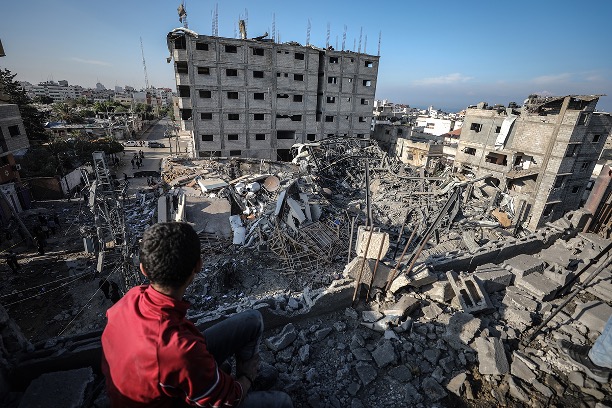
Bishop Murray, as you help the world listen to the tears and hymns of Nigeria’s saints, those echoes carry across a whole continent. The cries from Kauru County and Plateau State are not isolated; they reverberate from West Africa to the eastern shores of the Indian Ocean, where other children wake to gunfire, hunger, and betrayal in the name of Christ.

From Burkina Faso to Mozambique, Sudan to Congo, armed groups and Islamist extremists have burned churches, abducted believers, and devastated communities, leaving bishops and pastors pleading for their people’s lives. In Nigeria alone, thousands of Christians have been killed in recent years, in a “toxic cocktail” of terrorism, ethnic conflict, corruption, and state weakness, even as stories like little Ruth’s remind us that the Church, astonishingly, still sings.

But there is another sound under these echoes; the sound of judgment beginning “with the household of God” (1 Pet 4:17).

1. When the wound is internal: Shakahola and the apostate altar

In East Africa, the massacre has not only come from outside the Church; it has erupted from within its professing ranks. In Kenya’s Shakahola forest, more than 450 people, many of them children, died in a starvation cult led by a self-styled “pastor,” Paul Nthenge Mackenzie, who urged his followers to fast to death “to meet Jesus.” The dead were not killed by jihadists, but by a man claiming to shepherd God’s flock. https://www.bbc.com/news/world-africa-65374093

Shakahola has rightly been called one of the worst security and moral breaches in Kenya’s history, prompting calls for tighter regulation of churches and exposing how religious language can be weaponized to manipulate, control, and destroy. At the same time, Kenya sits just outside Open Doors’ top 50 World Watch List; ranked 51st, with believers still vulnerable to al-Shabaab attacks and communal violence, especially in coastal and northeastern regions.

So Africa’s wound is double:
From without: militias, terrorists, and bandits targeting or engulfing Christian communities in Nigeria, Burkina Faso, Congo, Mozambique, and beyond.
From within: false shepherds, prosperity “apostles,” ethnicized pulpits, and cult leaders like Mackenzie who turn the gospel of the Cross into an instrument of death.
This is what makes our cry uniquely African, and heartbreakingly biblical. We are facing both Saul’s spear and Judas’ kiss.

2. The church in the bosom of political barons

Across many African nations, politicians have discovered that the quickest road to legitimacy is through the sanctuary. They arrive with motorcades, sit in seats of honor, and “sow seeds” into the church projects with money often drawn from corruption, state capture, or ethnic patronage. In return, pulpits are muted, hands are oiled, and the prophetic voice is reduced to campaign slogans.

Like Israel’s kings who hired court prophets to bless their wars (1 Kings 22), many leaders now seek clergy who will anoint their ambitions. Some churches, drunk on prosperity promises and personality cults, have welcomed them. Instead of standing like John the Baptist before Herod, we flirt with Herod for a new church bus.

Meanwhile, when states turn their guns or neglect on their own citizens, in police brutality, electoral violence, or policy-induced hunger, the Church in many quarters has whispered instead of thundered. The blood of the poor cries out from the soil, but too often the microphones are reserved for those who pay the most.
This is apostasy in a suit and collar:
• When we bless stolen wealth while widows starve,
• When we trade the Beatitudes for branded conferences,
• When we preach “breakthrough” but not “repent, for the kingdom of heaven is at hand.”

3. A “Fullness of Time” moment for Africa (Galatians 4:4)

Yet even in this crisis, I hear another echo; the echo of kairos, of God’s appointed time.
“But when the fullness of the time had come, God sent forth His Son…” (Gal 4:4, NKJV)
In another dark hour of imperial oppression and religious compromise, God sent, not an empire, not a program, but a Person, the crucified and risen Lord. I believe we are again in a Galatians 4:4 moment for the African Church:
The massacres from without are exposing the reality of spiritual warfare and calling us back to the Cross, not to comfort theology.
• The massacres from within, Shakahola and other abuses, are exposing our idolatry, our misplaced trust in “men of God,” and our failure to test spirits and structures (1 John 4:1).

No weapon formed against Christ’s body will ultimately prosper (Isa 54:17), but many weapons are being forged within our walls. Therefore the Lord is purifying His bride, burning away straw and stubble (1 Cor 3:12–15), shaking what can be shaken so that what cannot be shaken may remain (Heb 12:26–29).
From Lagos to Nairobi, from the Indian Ocean to the Atlantic, the Spirit is calling for a new African song; not just a song of survival, but a song of holiness:
Holiness in doctrine: the gospel of Christ crucified, not the gospel of cash.
Holiness in power: Spirit power for witness, not for show (Acts 1:8).
Holiness in public life: churches that refuse to be chaplains of corrupt regimes, choosing instead to be prophets of the kingdom.

4. Learning again from Acts: prophetic patterns for a persecuted Church

The Book of Acts is not a romantic story; it is the diary of a Church under pressure, external and internal. It gives us a prophetic roadmap:

i. They returned to the Cross and to repentance.

At Pentecost, the first response to Peter’s sermon was, “What shall we do?” (Acts 2:37). The answer was not, “Give an offering,” but “Repent… and be baptized… and you shall receive the gift of the Holy Spirit” (Acts 2:38). Judgment first cleansed the Church itself; Ananias and Sapphira’s death exposed financial hypocrisy inside the community (Acts 5:1–11).

ii. They refused gag orders.

When the authorities commanded Peter and John not to speak in Jesus’ name, the apostles replied, “We cannot but speak the things which we have seen and heard” (Acts 4:20). Under threats, they did not seek palace patronage; they sought greater boldness in prayer and were filled again with the Holy Spirit (Acts 4:23–31).

iii. They reformed their structures to protect the vulnerable.

When Greek-speaking widows were neglected in the daily distribution, the apostles did not say, “That’s just how things are.” They restructured ministry, appointing Spirit-filled deacons and ensuring justice inside the Church (Acts 6:1–7). That is a model for addressing abuse, cultic manipulation, and financial exploitation in our contexts.

iv. They embraced persecution as a scattering for mission.

After Stephen’s martyrdom, the Church was scattered, but “those who were scattered went everywhere preaching the word” (Acts 8:1–4). Persecution became dispersion, and dispersion became mission.

v. They crossed ethnic, cultural, and political boundaries.

From Antioch, a multiethnic church fasted, prayed, and sent Barnabas and Saul to the nations (Acts 13:1–3). They refused to let ethnic identity or imperial borders define the reach of the gospel.

For Africa today, this means:
Repentance and reform inside the Church,
• Courage and clarity in the public square,
• Intentional structures that protect the poor, women, and children,
• Embracing dispersion as a missional opportunity.

5. Echoes in the diaspora: songs by the rivers of Babylon

The tears of Africa do not stop at our borders. They flow through our dispersed sons and daughters, from London to Dallas, from Toronto to Berlin. The pain of massacres and corruption at home mingles with the wound of racialized suspicion, economic exploitation, and cultural dislocation abroad.
We are like the exiles in Psalm 137, who hung their harps by the rivers of Babylon and asked, “How shall we sing the Lord’s song in a foreign land?” The tension remains:
To settle, build houses, seek the peace of the city (Jer 29:4–7),
• Yet to remain restless, like Nehemiah, whose heart could not rest while Jerusalem’s walls lay in ruins (Neh 1–2).

The African diaspora Church must not become a comfortable museum of nostalgia. This dispersion is itself part of God’s fullness-of-time strategy:
We know the taste of persecution and the smell of mass graves.
• We understand the language of poverty and political betrayal.
• We carry inside us both the lament of Psalm 137 and the commission of Acts 1:8.

Therefore, in the West, the African Church must:

1. Watch against complacency.

Refuse to be seduced by consumer Christianity. Keep the memory of suffering saints alive. Tell the stories of Nigeria, Burkina Faso, Kenya, and beyond in our sermons, prayer meetings, and discipleship.

2. Educate and empower.

Teach our children and host churches about the persecuted Church, global injustice, and kingdom ethics. Use our experience of marginalization to advocate for justice, locally and globally, without bitterness but with prophetic love (Heb 13:3).

3. Stand and shine.

Plant Christ-centered, holiness-seeking communities that model racial reconciliation, integrity, and generosity. Refuse ethnic tribalism in the diaspora; instead, embody the multiethnic Antioch church that listened to the Spirit and sent missionaries back into the world (Acts 13:1–3).

4. Carry Nehemiah’s burden.

Let our prosperity never anesthetize our concern for the continent. Like Nehemiah, we weep, fast, pray, agonize and organize, even from a foreign court, until the gates are rebuilt and the people’s dignity restored (Neh 1–2).

6. A prophetic appeal: from massacre to melody

So, Bishop, as Nigeria’s Church still sings through tears, I add my voice as a son of Africa:
We confess our complicity where we have sold our birthright for political favor and prosperity promises.
• We grieve with those whose blood cries from both the villages attacked by militants and the shallow graves of Shakahola.
• We believe that “in the fullness of time” God is exposing, cleansing, and re-consecrating His Church in Africa.

May a new song rise:

From the eastern shores of the Indian Ocean
To the western shores of the Atlantic,
From house-churches in Kano to prayer circles in Nairobi,
From refugee apartments in Europe to sanctuaries in North America

A song of holiness, of costly discipleship, of courage before kings, of compassion for the wounded, of steadfast hope in the Crucified and Risen One.

The massacres are indeed from within and without, but so is the purification. The same Spirit who strengthens Nigerian believers to sing amidst ashes is calling the whole African Church, on the continent and in the diaspora, to repent, to rise, and to re-sing the gospel with clean hands and pure hearts.

Until then, we will not hang up our instruments forever. We will tune them with tears, lift them with trembling hands, and sing, not for empire, not for politicians, not for prosperity, but for Jesus Christ, the Lamb who was slain, who alone is worthy of Africa’s ultimate song, the song of The Lamb “…IN THE FULNESS OF TIME!

DAY 18: When The Enemy Comes in Like a Flood…

“When the enemy comes in like a flood, the Spirit of the Lord will lift up a standard against him.” Isaiah 59:19b (KJV)

In recent flash floods, seconds of running from my office to the car, I was drenched with rain as though someone had poured buckets of water over me, that is nothing. With over 100 perished and still the count is raising; the pain of loss in Texas and other parts of the world is unimaginable. https://www.nbcnews.com/…/texas-floods-live-updates-160…

Word Study & Exegesis:
The Hebrew phrase “נָהָר” (nahar), “flood” depicts a powerful, overwhelming torrent, symbolic of chaos, invasion, and destruction. The term “נֵס” (nes); translated “standard” is a military banner raised high to rally and lead troops to victory. It signals divine intervention and order amidst turmoil.

Some translations (e.g., NKJV, KJV) read “When the enemy comes in like a flood,” while others, like the NRSV and ESV, emphasize God rushing in like a flood against the enemy. Either way, the message remains clear: God takes action to defend His people.

To the Flood Victims in Texas; Though waters rise, God’s banner over you is love (Song of Solomon 2:4). He is your refuge and strength, a very present help in trouble (Psalm 46:1). May rescue come speedily and restoration rise like the sun after the storm!

To Those in the Middle East ; Amid rockets and ruins, remember: He makes wars cease to the end of the earth(Psalm 46:9). The Standard of Peace, Jesus Christ, will be lifted high over nations. Keep praying. Keep believing. Justice is marching.

To Our Beloved Africa in Civil Unrest; Though corruption and conflict rage, the LORD is a warrior (Exodus 15:3). May His Spirit raise up bold reformers, truth-tellers, and peace-bringers, a standard of righteousness in every street.

God is not silent in chaos. He lifts up His standard, JESUS Christ of Nazareth.
Where there is flood, He brings foundation.
Where there is chaos, He brings kingdom.
Where there is despair, He lifts deliverance.

Be encouraged: The battle belongs to the Lord. The flood will not sweep you away. Instead, the Spirit will sweep in and raise a standard of hope, justice, peace, and salvation.

DAY 17: PRAY KENYA – A Cry over Undeserved Bloodshed

Intercessory Prayer for Kenya’s “Generation Z” Based on the Prayer of Jabez (1 Chronicles 4:10)
In Commemoration of Those Lost on June 25th, 2024


Heavenly Father, God of our Hope, Peace, and Justice,

We come before You today with trembling hearts, lifting a solemn cry for the youth of Kenya, Your sons and daughters, those who stand in the valley of despair and determination, whose voices rose on June 25th, 2024, longing for justice, dignity, and a future worth hoping for.

Like Jabez, we echo his plea as a prophetic cry over our youth:

“Oh, that You would bless us indeed…”
Lord, bless the youth of Kenya with the blessing of clarity; that in a time of confusion, You would guide their steps. Bless them with spiritual identity, that they may know they are fearfully and wonderfully made in Your image.
We pray divine provision for the grieving families, mothers, fathers, siblings, and friends, who have buried their children too soon. Be their portion in the land of the living.

“…and enlarge our territory…”
O Lord, expand the influence of this generation, not just through protests, but through platforms of purpose. Enlarge their hearts with vision. Enlarge their minds with wisdom. Enlarge their opportunities with mercy. Raise up godly leaders from among them, prophetic voices who will walk in truth and righteousness.

“…that Your hand would be with us…”
Father, let Your mighty hand rest upon Kenya’s youth—shielding them from violence, manipulation, addiction, and hopelessness. Be with the grieving parents, siblings, and classmates. In the valley of the shadow of death, may they feel the warmth of Your rod and staff comforting them.
Let Your hand lift our nation from ashes of mourning to songs of revival.

“…and that You would keep us from evil, that we may not cause pain.”
We plead for a divine redirection of hearts—turning away from evil schemes, and from vengeance, corruption, and despair. Redeem this generation’s pain, O God, and transform it into purpose. Let the lives lost cry louder than politics—the cry for truth, reform, and hope.
Keep our youth from being used, wounded, or silenced. Keep our leaders from hardening their hearts. Raise up peacemakers, policy-changers, and Gospel-bearers from every tribe and campus, from every ghetto and city square.


Now Lord,
Let justice roll on like a river, righteousness like a never-failing stream (Amos 5:24).
Let mourning turn to dancing. Let the cross be lifted in every youth gathering, in every heart, and over this beloved land.

Comfort the brokenhearted. Bind up their wounds. Crown their grief with hope.
For the young men and women lost on June 25th, we entrust them to You, Lord of the Resurrection.
For those left behind, we pray: Strengthen their frame, be their refuge, and give them rest.

KENYA YOUTH, rise up in Jabez-anointing:

  • Blessed of God,
  • Expanded in influence,
  • Covered by His hand,
  • Kept from evil,
  • Redeemers of a broken generation.

In the mighty name of JESUS, our Hope, our Defender, our Resurrection—we pray.

AMEN.

DAY 16: HIDE-NO-MORE

Scripture Reading:

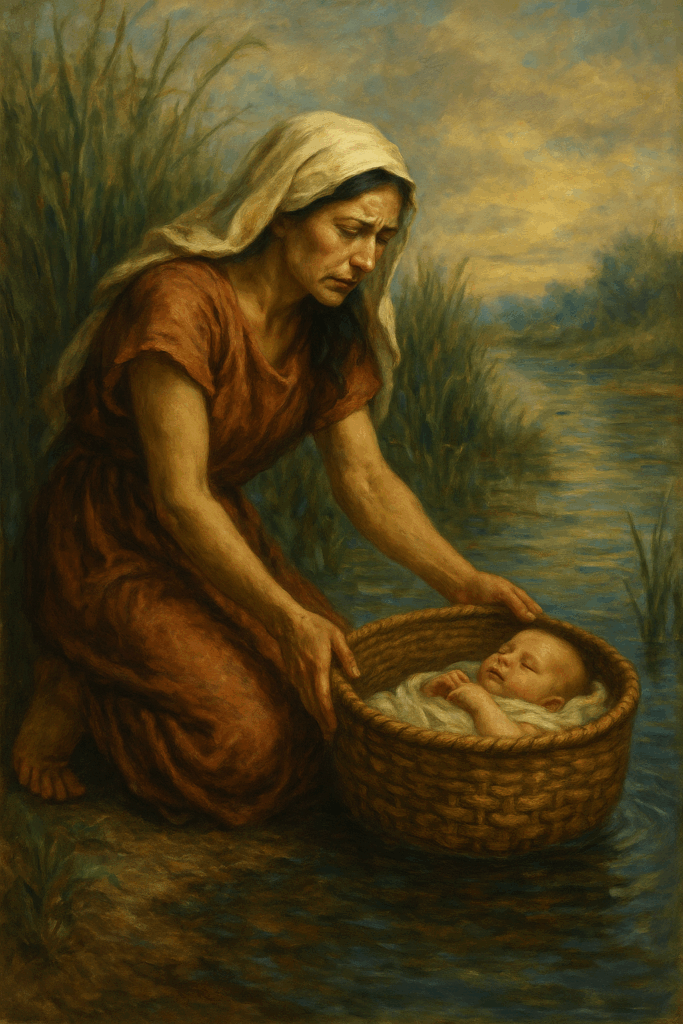
“But when she could hide him no longer, she got a papyrus basket for him and coated it with tar and pitch. Then she placed the child in it and put it among the reeds along the bank of the Nile.”
—Exodus 2:3 (NIV)

1. WHEN TO HIDE

The Hebrew word used in Exodus 2:2 for “hide” is צָפַן (tsaphan), which means to treasure, to conceal, to protect. It is not hiding in fear alone, it is hiding in reverencepurpose, and preservation. Moses’ mother hid her son for as long as she could, not out of cowardice, but out of divine strategy. Every hidden thing has a season; but when God’s timing aligns with heaven’s agenda, concealment gives way to revelation.

Devotional Insight:
You have a gift, an idea, a calling, a divine deposit, that you have hidden. Maybe the wounds of rejection or fear of criticism have made you tuck it away. But now… you can hide it no more.

2. WHEN TO LET GO

“There came a point… when she could hide him no longer.”
Yes, hiding protected Moses for a season. But continued hiding could have become his death sentence. When the season changes, obedience demands release. Moses was too big to hide. His cries too loud. His presence too divine.

Exhortation:
Your gift has outgrown your silence. Your purpose has become too potent to be contained. The Holy Spirit is whispering, “It is time to let go. Let it float.”

3. BUILD YOUR BASKET

Moses’ mother did not throw her baby into the Nile recklessly. She built a basket, carefully, intentionally, skillfully. She coated it with tar and pitch. She packaged the precious.

Application Challenge:
Don’t let the fear of being “less than perfect” stop you. Do your best. Package it. Present it. Whether it’s a song, a book, a business, a ministry, or a story wrap it with excellence. Then… let it go.

“Whatever your hand finds to do, do it with all your might…” Ecclesiastes 9:10 (NIV)

4. FLOAT BY FAITH

The Nile was full of crocodiles and dangers. But the baby floated. Pharaoh’s decree declared death, but God’s plan spoke deliverance.

Word for You:
Yes, it may feel like you are letting your treasure float down dangerous waters, but know this: The same God who watched over Moses is watching over your gift.

“Cast your bread upon the waters, for after many days you will find it again.” Ecclesiastes 11:1 (NIV)

5. WAIT AND SEE

As Moses’ sister watched, something divine was unfolding. God orchestrated Pharaoh’s own daughter to find the baby. What was meant to be drowned was instead drawn out and destined. Wait and see the salvation of our God.

Prophetic Word:
Your hidden gift is about to be discovered. It may not be who you expect, or how you expect, but God is aligning eyes to find what you release.

TO THE WOUNDED AND INTIMIDATED

To the one who once tried and failed.
To the one who gave your gift and were trampled on.
To the one who believes it’s too late:

Hide no more.
Try again.
Trust again.

God is calling you out from the shadows into purpose. You don’t need the approval of Pharaoh. You only need the favor of Heaven.

Closing Prayer

Lord, forgive me for hiding what You gave me. I now see that what I thought was fear was really unbelief. Today, I say YES. Help me build with excellence, release with trust, and watch with faith. May my gift float into its destiny. Amen.

Reflection Questions

  • What gift, talent, or calling have I kept hidden out of fear or doubt?
  • How can I begin to build my basket today? What does excellence look like in packaging what God gave me?
  • Who are the people I need to release my gift to? What “river” must I place it on?

Takeaway Thought:

You were never meant to hide forever. The time has come. Hide no more. Build, float, and believe. Something is about to unfold.

Day 15: “Sweet Ones,” My Little Children!

Diasporic Church, the weather is getting warmer as Summer is gradually pushing in, currently at 78 Degrees Fahrenheit. Reflecting on last week’s “Pentecost” Sunday amidst changes in my life and family. Today, I am seated inside my beloved “restaurant,” with the warm air outside and chilly inside; a layer of cloudy steam is forming on the glass windows, reminding me of my current valley of decision-making. Despite the mist blocking my clarity, it does not mean that the outside is blurry and dull. Child of God, do you feel like me? Are you unsure of what tomorrow holds? Cheer up because our God is “Alpha and Omega,” The First and Last, and has our tomorrow worked out if you only believe and obey.

The words of the apostle John are heartwarming at such moments. My little children, these things I write to you so that you may not sin. (1 John 2:1) Why does the Elder John use the pet name “MY LITTLE CHILDREN?” Is he calling them so because he is an elder talking to a younger generation, a master at talking to his disciples; he is a mature believer mentoring younger believers? Whatever the case, the term my little children defines a status everyone must possess to live the Christian way. In Matthew 18:2-4 And calling to him a child, he put him in the midst of them and said, “Truly, I say to you, unless you turn and become like children, you will never enter the kingdom of heaven. Whoever humbles himself like this child is the greatest in the kingdom of heaven. What a great lesson to learn from Jesus Christ that humility invites exaltation. As a “little child,” It does not matter HOW RIGHT one is in winning a conflict; having your way does not make you a winner; every time you have your way, you lose your partner. Win your partner, not the argument! That is the posture of a “little child.”

My little children in Greek (Tek-nee-on), my “sweet ones,” John calls them, are anointed and abiding in the anointing, full of knowledge, and do not need a teacher. But he goes in-depth to remind them of their faith’s basic tenets, which they were seemingly beginning to forget. Who were these “sweet ones?” This writing, possibly to the Churches in modern-day Turkey, was meant to equip the diaspora churches growing outside the confines of Jerusalem yet undergoing socio-political and religious pressure from forces within and outside.  Today, this region that flourished with Christendom is estimated to have a population of about 0.2% of Christians of all forms out of 86 million Turkish people, one Christian for every 500 people. The majority are Muslim, with many of the ancient churches founded by the early Christians, including Paul and John, being converted to “Mosques, Museums and Music” cultural centers. The Old, rugged cross has been substituted by the way to the crescent symbol.

The “Diasporic Church” shares many similarities to the Asia minor church. Faced with socio-political, religious, and cultural pressures that threaten our traditional fabric of faith that we inherited from our first-generation parents. I have listened to most of us share concerns about the challenge these shifts have put on us and our third culture children, who have no idea what we are complaining about. And I believe that if we do not take the warning of Elder John, the gospel will continue in another space while we reap the consequences of not paying attention to God.

  • My “Little Children,” when did we last drop the ball? What will you do about it?

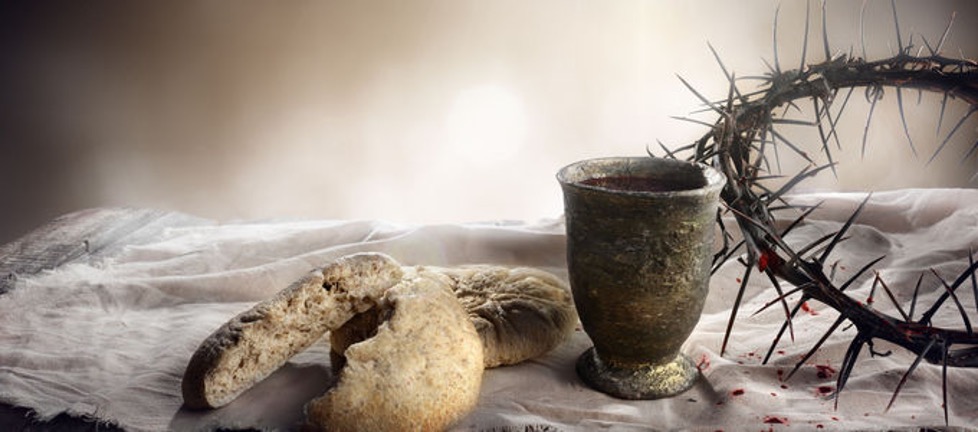
Day 14: The First Communion

Jesus’ first communion coincides with the “Feast of the Unleavened Bread” called the Passover. The “Passover” was a memorial of the departure of the Israelite community from a life of suffering and slavery in Egypt to a life of freedom. It is the feast of “unleavened bread” because no yeast or raising substance was used, and the bread was made in haste, so they had no time to let it rise. Symbolically, the children of Israel had to depart in haste and learn to depend on God for their sustenance as their “Bread of life.” The departure of the Israelites from Egypt was the beginning of their deliverance from a life of slavery. It took a night to deliver them from Egypt; it would take 40 years and more to deliver Israel from themselves.

Dear Seeking Soul, I am seated in this sacred space with a cup of tea. My friend “Mohamed” served me the tea and reminded me that the restaurant was quieter than usual as they observed the month of “Ramadan” (prayer and fasting for the Muslim community). The Muslim community believes that “Ramadan” is when the angel Gabriel spoke the first words of the Quran to the Prophet Mohamed. Some scholars have related “Ramadan” as an emulation of Jewish “Yom Kippur,” the “Day of Atonement,” which is also marked with prayer, fasting, and purification.  On the Day of Atonement, YAHWEH was to “…forgive you, to purify you, that you be cleansed from all your sins.” By Divine Providence, this week leads into Palm Sunday, commemorating the entry of Jesus into Jerusalem riding on a donkey. Jesus, in a very intentional Journey of the “Human Atonement,” does the Last Supper to commemorate his departure. Similar to the “Passover” feast, Jesus was to begin the journey of the deliverance of all humanity from the “slavery and captivity of sin.” While it took a moment for the transaction of sin to be cleared by Jesus when he said on the cross, “IT IS FINISHED,” humanity is yet to take advantage of the freedom secured by Christ by His death on the Cross. Seeking Soul, what is the significance of Jesus “First Communion” with his Disciples?”

1. THE OBEDIENT STRANGER

According to Luke 22:10-12, Jesus instructs his disciples to follow after a man carrying a pitcher of water, “…And you shall say to the goodman of the house, The Master saith unto thee, where is the guest chamber, where I shall eat the passover with my disciples? And he shall shew you a large upper room furnished: there make ready.  Seeking soul, not much is known about this gentleman who was prepared to admit in strangers at a first request. Scholars relate the habit of “male carrying water” to a tradition of a sacred community of priestly descendants called the “Essenes” who had taken a vow of “celibacy” and lived a life of purity dedicated to God alone. This secret admirer of Jesus just like “Nicodemus” the Pharisee, is known to us by his character name “a goodman.” He straight away obeys the Jesus request for a fully furnished venue to celebrate the “Last Supper” without any argument.

Seeking Soul, what a lesson on the power of ones character, it gives one a name! Around the Communion Table, Strangers who believe in our Lord are Brethren too; give them space. Jesus knows them by name and has duty assigned for them. Therefore, as we have the opportunity, let us do good to all, especially those of the household of faith. (Galatians 6:10)

2. THE STRANGE MASTER

Jesus and his disciples are sitted for dinner, something strange unfolds. John 13:4-6 records that “Jesus riseth from supper, laid aside his garments; and took a towel, and girded himself. After that, he poured water into a basin and began to wash the disciples’ feet and wipe them with the towel wherewith he was girded. Then cometh he to Simon Peter: and Peter saith unto him, Lord, dost thou wash my feet? At this gesture Jesus responds to Peter, “14-15 If I then, your Lord and Master, have washed your feet; ye also ought to wash one another’s feet. For I have given you an example, that ye should do as I have done to you.” In this narration, all sat as guests. It was expected to have a servant wait on the guests. it never occurred to the prestigious disciples that a servant should miss out on this significant occasion.  It is at this point that Jesus, the master takes up the posture of a slave.

Most of us would rather prefer the posture of dignified guests. The Communion table reminds us that, those of us who are greater must choose to be lesser and serve. Jesus says “If I then, your Lord and Master, have washed your feet; ye also ought to wash one another’s feet. For I have given you an example, that ye should do as I have done to you. (John 13:14,15)

3.  A GATHERING OF FRIENDS AND FOES

John 13:21-26 When Jesus had thus said, he was troubled in spirit, and testified, and said, Verily, verily, I say unto you, that one of you shall betray me. Christ takes time to be vulnerable and emotional to his disciples as He is faced with two categories of persons around him, the “BELOVED” and the “BETRAYER.” A trusted disciple in their midst is plotting a betrayal (Judas) and John the disciple whom Jesus loved, is asked by the others to investigate who Jesus is insinuating about. Peter sympathizing with Jesus disturbed spirit, vows to stand by the master no matter what! Jesus shares communion with his most “beloved” and most “betrayer” on each of his sides. Seeking Soul, the communion table breaks “barriers” and builds “bridges.”Communion Table teaches us to Work with the “Beloved” and give space to the ”Betrayer.” Now, after the piece of bread, Satan entered (Judas). Then Jesus said to him, “What you do, do quickly.” (John 13:27). The actions of Judas the “Betrayer” would never stop the purposes of God from unfolding. Unfortunately when we focus so much on betrayers, we take matters on our hands, with the pressure to “even up.” Judas betrayal was the beginning of the redemptive end.

4. PREVAILING FEARS AND DOUBTS 

Luke 22:24-27) records that “there was also a strife among them, and each of them should be accounted for as the greatest.” Christ is surrounded by self-serving ego-packed followers, each one displaying to be the master’s favourite. Instead of empathizing with Christ when he says his time is short and soon he will be no more…the disciples, on the other hand, are plotting a succession plan as to who will be next to take over from the master. The temptation and tendency among christian institutions is to create offices, yet Christ is in the business of recruiting SERVANTS. Around The communion table has Christ has no favorites; all are servants. Jesus repremands his followers that “…he who is greatest among you, let him be as the younger, and he who governs as he who serves (Luke 22:26).

LESSONS FROM JESUS FIRST COMMUNION

  1. The First Communion was Prepared by an OBEDIENT STRANGER: The call for inclusivity to all who love the master and serve Him best as they know.
  1. The First Communion was Hosted by a STRANGE MASTER: The call to servitude to serve one another as God has taught us through Christ.
  2. The First Communion was Graced by CLOSEST FRIENDS AND FOES: The call to brotherhood, for the communion table breaks barriers and builds bridges. Christ shared communion with both his beloved and betrayer.
  3.  The First Communion was Partaken AMIDST FEARS AND DOUBTS: While the disciples had strife as to who was to be who, the communion table created space that ALL called could fit in to serve the master.

Seeking soul, what lesson from the first communion do you identify with? How has it made a difference in you?

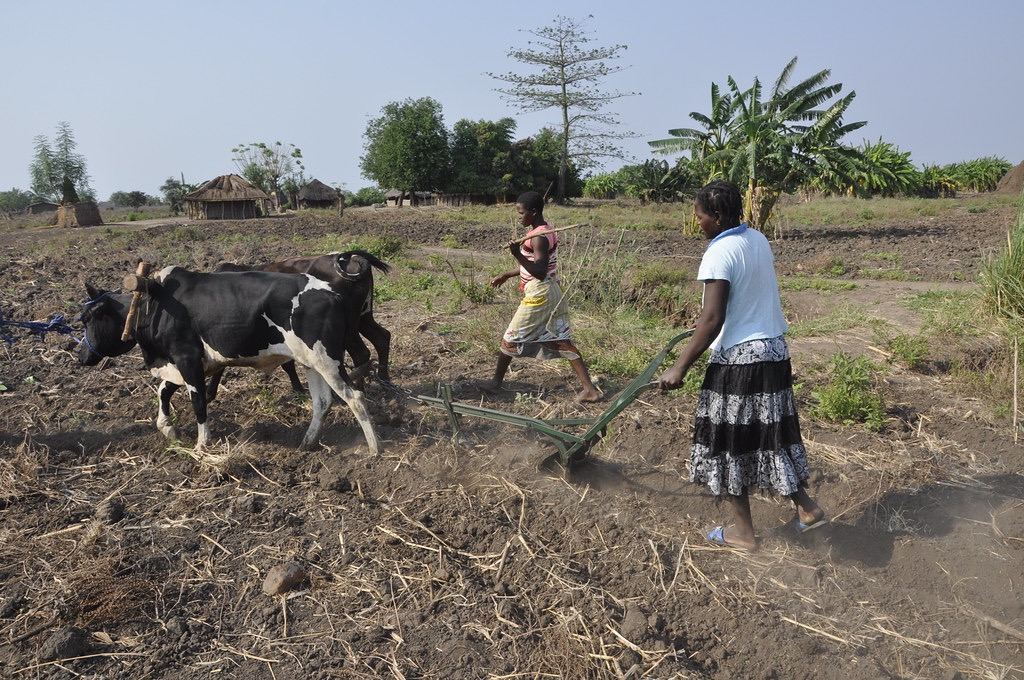
Day 13: Keep Your Hand on The Plow

Now it happened as they journeyed on the road, that someone said to Him, “Lord, I will follow You wherever You go.” And another also said, “Lord, I will follow You, but let me first go and bid them farewell who are at my house. But Jesus said to him, “No one, having put his hand to the plow, and looking back, is fit for the kingdom of God.” (Luke 6:57-62)

Accused of having acted in an “unchristian manner” by a team of clergy, Brother Dr. Martin Luther Jr responds from the Birmingham Jail. This is an excerpt from “Letter from Birmingham Jail.” “Beyond this, I am in Birmingham because injustice is here. Just as the eighth-century prophets left their little villages and carried their “thus saith the Lord” far beyond the boundaries of their hometowns, and just as the Apostle Paul left his little village of Tarsus and carried the gospel of Jesus Christ to practically every hamlet and city of the Greco-Roman world, I too am compelled to carry the gospel of freedom beyond my particular hometown. Like Paul, I must constantly respond to the Macedonian call for aid.” Brother Dr. Martin longed for the “church to be the dream, team” and not the “little foxes.”

Dr. Martin Luther King Jr further reiterates in his letter from “prison” an example of such a “Holy Defiant Team.” “…there is nothing new about this kind of civil disobedience. It was seen sublimely in the refusal of Shadrach, Meshach, and Abednego to obey the laws of Nebuchadnezzar because a higher moral law was involved. It was practiced superbly by the early Christians, who were willing to face hungry lions and the excruciating pain of chopping blocks before submitting to certain unjust laws of the Roman Empire. To a degree, academic freedom is a reality today because Socrates practiced civil disobedience.” Seeking Soul, it is inevitable to conclude that when those of us who have been relegated to hold the Gospel plow, the “DREAM TEAM,” sleep on the job, we join the “little foxes” club by default.

Dear Seeking Soul, as my heart was disturbed by these “little foxes,” I remembered that God, too, desired a “Team.” Through the mouth of the prophet Ezekiel, God appeals for a fox catcher. Thus says the Lord:

The people of the land have used oppressions, committed robbery, and mistreated the poor and needy; and they wrongfully oppress the stranger. So I sought for a man among them who would make a wall, and stand in the gap before Me on behalf of the land, that I should not destroy it; but I found no one. Therefore I have poured out My indignation on them; I have consumed them with the fire of My wrath; and I have recompensed their deeds on their own heads,” says the Lord God. (Ezekiel 22:29-31)

God Calls this Fox Catcher, A man to make a wall and stand in the gap between God and his people. In ancient times, the kings built the walls of a city to safeguard their people, and a priest mediated between the people and God. Ezekiel envisioned a ruler who would be a “Prophet, Priest, and King.”  God looked for such a man, but he found none. For such a man can never be found except in Christ, who qualified as Prophet, Priest, and King.

God is still searching for a people, He says… “When I shut up heaven, and there is no rain, or command the locusts to devour the land, or send pestilence among My people, if My people who are called by My name will humble themselves, and pray and seek My face, and turn from their wicked ways, then I will hear from heaven, and will forgive their sin and heal their land. (2 Chronicles 7:13,14)

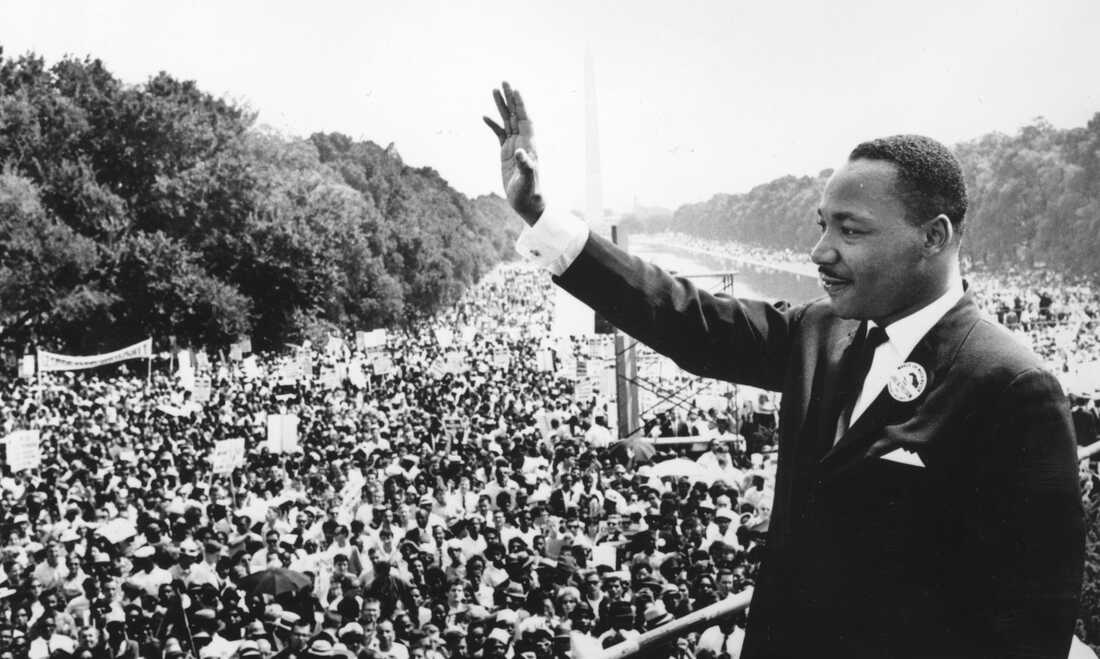
Seeking Soul, as I listened to the prophetic dream of the Rev. Dr. Martin Luther King Jr. envisioned on Aug. 28, 1963, on the steps of the Lincoln Memorial. Reminding us that we will not be satisfied until justice rolls down like waters and righteousness like a mighty stream. (Rev. Dr. Martin Luther King Junior) I realized that this “dream” needs a “team” to realize. A people who will stand in the Gap.

During this season of prayer and fasting, I believe we are the people God calls to stand in Gap. Dear Seeking Soul, Today I call on all of us who dare dream to have courage and stand. Let us stand and join our Martyrs in the past who stood and spoke for what was right. And knowing that “we do not wrestle against flesh and blood, but against principalities, against powers, against the rulers of the darkness of this age, against spiritual hosts of wickedness in the heavenly places. (Ephesians 6:12) 

I ask those listening here today and many out there, those who dare Hold the gospel plow and dig straight, Who will stand in the gap? Who will dare stand up in the gap for the family, in your marketplace, and the community?

  • Who will stand in the gap and remind the world that all men and women are created equal and that God created them, Male and Female? Who will stand in the gap?
  • Who will stand in the gap and erect the table of brotherhood, where God prepares a table even before the enemies? Who will stand in the gap?
  • Who will stand in the gap to see Dr. Martin Luther’s Oasis of Freedom and Justice become the flowing river of righteousness?
  • Who will stand in the gap to see our Children enriched in their Character in what they see, read, and touch? Who will stand in the gap…
  • Who will stand in the gap and PRAY:
    • That every valley shall be exalted, 
    • That every hill and mountain shall be made low, 
    • The rough places will be made plain, and 
    • The crooked places will be made straight, and the glory of the Lord shall be revealed, and all flesh shall see it together.

We pray that through our Lord Jesus, the Prophet, Priest, and King may this dream come true:

  • The coming of a new heaven and a new earth where evil and wickedness are completely eradicated.
  • Establishment of the holy city, New Jerusalem the aboard of God where the rule of righteousness shall spring forth.
  • The Continual dwelling of God with all humanity. “
  • That tears will be wiped, complete annihilation death, sorrow, and crying. 
  • The riddance of pain, and the eradication of the Old order of wickedness to usher the new reign of righteousness.” (Rev. 21:1-6)
  • Who will stand in the Gap?

Seeking Soul, while my brother the Rev. Dr. Martin Luther King Jr. envisioned the day when the dream of “Freedom, Justice and Equality” would come true. The time has come to rally those of us, who work the “Gospel Plow” to “Hold ON” until the “Team” is raised to realize the “Dream.” We need a  “Team” to realize the “Dream.” 

Will you be the “DREAM TEAM” and Stand in the Gap?

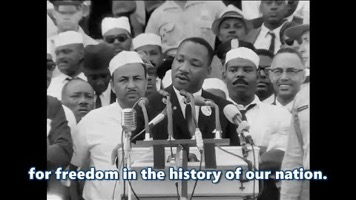
DAY 12: I Have a Dream: Where is the Team?

I Have a Dream speech by Martin Luther King .Jr HD (subtitled)

“I hate, I despise your feast days, And I do not savor your sacred assemblies. Though you offer Me burnt offerings and your grain offerings, I will not accept them, Nor will I regard your fattened peace offerings. Take away from Me the noise of your songs, For I will not hear the melody of your stringed instruments. But let justice run down like water, And righteousness like a mighty stream. (Amos 5:21-24)

Dear Seeking Soul, Today is the birthday of Rev. Dr. Martin Luther King Jr. My heart was convicted of listening to this prophetic voice, which was the Voice of God to hundreds of God’s people in a season of darkness, oppression, and segregation. In the background, I am listening to the Negro Spiritual song “Hold on: Keep yo’ han’ on dat plow Hold àn! Hold on!” https://www.negrospirituals.com/songs/hold_on.htm

Still wondering what God wanted me to rally the church about, then I had it: Keep your hand on that Gospel plow and “HOLD ON.” Rev. Dr. Martin Luther Jr. Birth Day is a day to highlight the “Service to Humanity.” Rev. Dr. Martin Luther King preached on the triad of “Freedom, Justice and Equality” as a solution to the social evils of “Poverty, Racism and Violence”.

Today, by God’s divine providence, was the first day snow came down at night in the Dallas 2024 winter. As I walked on the virgin land, pure and all white, with every step on the snow being the first, I began to think of Rev. Dr. Martin Luther King’s dream come true. Those who have been relegated to hold the Gospel plow, the “TEAM” to realize the “DREAM,” never slept on the Job. Those Martyrs like Rev. Dr. Martin Luther Jr, who died while plowing and now make up the “Cloud of Witnesses” in heaven, can look down with smiles and say, the “DREAM” has come!

Beloved Soul, as I walked on the virgin snow, I began to think of the time that the Prophet Amos and Brother Dr. Martin Luther Jr. envisioned. The time when the pure snow of righteousness would reign on all the hearts of men and cover the land. There is something about that “pure gentle fall” of snow that covers every pit, pot, and rot, unifying the land with the sanctity of oneness. 

  • It does not matter whether the neighborhood is rich or poor
  • It does not matter whether the people are indigenous, immigrants, or impersonators.
  • It does not matter whether the infrastructure is simple or complex.

For when the “Pure gentle fall of snow” occurs, “every pit, every pot, and every rot” is covered with the sanctity of Oneness. So while my brother, the Rev. Dr. Martin Luther King Jr., envisioned the day when the dream would come true. The time has come to rally those of us who work the “Gospel Plow” to “Hold ON” until the “Team” is raised to realize the “Dream”. The prophet Amos envisioned the need to raise a “Team” (Amos 5:21-24):

  • A team that would restore the sanctity of our spiritual and national celebrations v/s21
  • A team that would restore the integrity and purity of our places of worship
  • A team that would restore the credibility of our treasures, time, and talents v/s 22
  • A team that would restore the sacredness of our music and dances v/s 23
  • A team that would weave in Justice and righteousness in the fabric design of our society v/s 24

Seeking Soul, while my brother, the Rev. Dr. Martin Luther King Jr., envisioned the day when the dream of “Freedom, Justice and Equality” would come true. The time has come to rally those of us who work the “Gospel Plow” to “Hold ON” until the “Team” is raised to realize the “Dream.” We need a  “Team” to realize the “Dream.” 

  • I am part of the TEAM to realize the DREAM
  • You are part of the TEAM to realize the DREAM

Church, as I walked on, on the virgin snow, outside our residence, my steps being the first, I noticed something else. There was a squirrel or bunny track that had disturbed my virgin path. I was not the first on the peaceful spread of snow. But that is the reality of our world church. I want to bring to your attention that, there are squirrels out there, and sometimes they find themselves in our midst, in our homes, in our institutions. Squirrels who shuffle the “Dreams” we long to achieve. The writer of the poetic romantic symphonies of Solomon, in one of his classical music pieces, writes a crescendo: “Catch us the foxes, The little foxes that spoil the vines, For our vines have tender grapes.” (Songs of Solomon 2:15) 

Seeking Soul, the cry of the soloist is not about the little foxes but rather the noble, courageous folks who can Catch the little foxes so that our dreams can be realized. YES, those who know how to hold the Gospel plow and keep Holding until every soul is worked and restored into righteousness. Our world today, with all its pits, pots, and rots, needs fox catchers. As my heart was disturbed by these “little” foxes, I felt the urge to charge the church to rise.

  • Who will catch us, the little foxes that steal, destroy, or even kill our “tender” dreams?
  • Who will catch us, the little foxes that endanger our “tender” relationships, aspirations, and celebrations
  • Who will catch us, the little foxes?

Seeking Soul, while my brother the Rev. Dr. Martin Luther King Jr. envisioned the day when the dream of “Freedom, Justice and Equality” would come true. The time has come to rally those of us, who work the “Gospel Plow” to “Hold ON” until the “Team” is raised to realize the “Dream.” We need a  “Team” to realize the “Dream.” 

Will you be the TEAM to make the DREAM?

How will you Stand in the Gap?

Day 11: Beyond the Borders

It came to pass in the month of Chislev, in the twentieth year, as I was in Shushan he citadel, that Hanani one of my brethren came with men from Judah; and I asked them concerning the Jews who had escaped, who had survived the captivity, and concerning Jerusalem. 3 And they said to me, “The survivors who are left from the captivity in the province are there in great distress and reproach. The wall of Jerusalem is also broken down, and its gates are burned with fire.” (Nehemiah 1:1-3)

Seeking Soul, Nehemiah was a man living in the diaspora, an immigrant like many of us scattered around the world, away from our native homes. But he never allowed the sophistication or challenges of his diasporic state to hinder his capacity to cause influence in his native country. Today, God has impressed upon my heart the desire to learn prayer as a missional strategy.

In a season after captivity where the children of Israel almost lost their identity during 70 years in captivity, God calls Ezra, whose name means Helper, to help his people regroup.  In a season of great injustice, enslaved by their own, about ten years after Ezra, God mobilized Nehemiah, burdened by the plight of his people, to show comfort to a hopeless people. Nehemiah lived; his Hebrew Name means that (JEHOVAH IS THE COMFORTER, CONSOLES). He allowed God to use him as he had equipped him.

In prayer, Seeking Soul, God is calling you away from your place of comfort; God has identified you as a strategic partner to help and comfort his people. Unlike the usual prophet that God calls, Nehemiah is a professional, successful in his career and working with royalty. He had cut a niche for himself. But as a selfless leader, Nehemiah refused to be entrapped by royalty and responded to God’s urging. Dear Seeking Soul, I invite you to engage with Nehemiah and grasp some principles I believe will shake us from our places of comfort to the mission field, “Beyond the Borders.”

  1. Prayer Enlightens: Nehemiah sought eagerly for report 1:1-3

Nehemiah seeks to establish the facts about his hometown. He receives a report through “Hanani, one of my brethren came with men from Judah.”  He was aware of the state of affairs of his nation. The facts were clear, “Bothered People, Broken Walls and Burned Gates.” In fact, even after being told that the gates are burned and the walls are down, he still requests to travel to go get the facts straight.

Seeking Soul, Nehemiah inquired for the report. It is essential to know the facts to understand how to engage the field. …and ye shall know the truth, and the truth shall set you free.  (John 8:32). Knowledge of truth is power for freedom. Dear Soul, what do you see and what has come to your attention that you can pray about?

2. Prayer Empathizes: Burdened Deeply for the captives 1:4

4 So it was, when I heard these words, that I sat down and wept and mourned for many days; I was fasting and praying before the God of heaven. Having known the facts; Nehemiah was burdened by them. Dear Soul, we live in a period of God for us all but everybody for himself. You struggle alone, you cry alone… People see, people hear but we fail to engage on each others needs.

The church elder James reminds us that …If a brother or sister is naked and destitute of daily food, and one of you says to them, “Depart in peace, be warmed and filled,” but you do not give them the things which are needed for the body, what does it profit? Thus also faith by itself, if it does not have works, is dead. Brother James, gives us an example on how to carry each other’s burdens. What burden is God placing in your heart? (James 2:15)

3. Prayer Envisions: Prayed earnestly for redemption 1:5-11

Dear Soul, we can learn from Nehemiah while most of us get sick through the burdens we bear, like ulcers, high blood pressure, anxiety sicknesses, lack of sleep, and many others. Most of this chapter is Nehemiah pouring back the burdens to God in prayer. We must shift and know who can settle the scores and who is the burden lifter. Instead of Bearing the pain alone and being frustrated, Nehemiah goes down on his knees; some call him (Knee He Miah) the man on his knees.

Seeking Soul, today Jesus’ invitation is to all; “Come to me, all you who are weary and burdened, and I will give you rest. Take my yoke upon you and learn from me, for I am gentle and humble in heart, and you will find rest for your souls. For my yoke is easy, and my burden is light.” (Matthew 11:28-30). The secret is to turn our burdens to prayer needs; that’s what Nehemiah did. Look, Soul, at how rich Nehemiah’s Prayer is:

  • In v/s 5 Nehemiah, Worshiped God, 
  • v/s 6 Conducted Repentance for self and community
  • v/s 7 Admission of Guilt against the stipulated law of God
  • v/s 8,9 Recalled the promises of God and the consequences of rebellion.
  • v/s 10 Established the relationship between God and his people.
  • v/s 11 Presented his specific need before God: “Grant Mercy before the King.”

Before approaching the King, Nehemiah prayed. After being asked by the KING the reason for his sadness, he prayed. (2:4). Authentic prayer acknowledges The place of God, The State of the seeker, The word, The promises of God, and the seeker’s need.

4. Prayer Empowers: Called clearly away from comfort 1:11b

Nehemiah does not respond to missions because he has nothing to do. Due to his humble nature, he introduces his work at the end of verse 11: “For I was the king’s cupbearer.” God does not call idle people; he engages the engaged. Jesus’ Words are meaningful. “Whoever wants to be my disciple must deny themselves, take up their cross daily, and follow me.

Those called must demonstrate some level of loyalty. Luke 9:23 You must deny…. God calls us from a position of Surrender, like Isaiah, hear I am, send me… Nehemiah says I was a cupbearer (This was a guy entrusted with the King’s life; he served royalty and drank with royalty. But none of this kept him away from fulfilling God’s purpose for his Life. He took advantage of his position to serve God’s purpose.

Some of us constantly need this reminder that Mordecai tells Esther 4:13,14. When Esther Hesitates, thinking of her life at stake… And Mordecai told them to answer Esther: “Do not think in your heart that you will escape in the king’s palace any more than all the other Jews. 14 For if you remain completely silent at this time, relief and deliverance will arise for the Jews from another place, but you and your father’s house will perish. Yet who knows whether you have come to the kingdom for such a time as this?” this leads Esther to declare a (3 day Fast)

Seeking Soul, prayer gives boldness to attempt the impossible.

5. Prayer Equips: Equipped Sufficiently for the task 2:5-8

Nehemiah took his position of royalty to seek support for the mission ahead.

  • 2:5 Permission to take Sabbatical leave for construction project
  • 2:7 Safe Passage Travelling Permits (Visa Free Entry)
  • 2:8 Logging Permit for materials for the gates, temple, walling, and his house

Dear Soul, Your positioning is not by chance but a divine appointment to fulfill God’s purpose. Whether you serve in the royalty or you are a house caretaker, Nurse Practitioner, Security, Military, Caregiver, trucker, teacher, business person… God has positioned you strategically. The resources we need for missions is not with others, It is here. Your gift is not small if given from your whole heart. The Bible says ….we, being many, are one body in Christ, and individually members of one another. Having then gifts differing according to the grace that is given to us, let us use them: if prophecy, let us prophesy in proportion to our faith; or ministry, let us use it in our ministering; he who teaches, in teaching. he who exhorts, in exhortation; he who gives, with liberality; he who leads, with diligence; he who shows mercy, with cheerfulness. (Romans 12:5-8)

Prayer will harness the Talents, Treasures, and Time resources needed to accomplish God’s purposes. 

Day 10: Taking God to Task

Moses said to the Lord, “You have been telling me, ‘Lead these people, ‘but you have not let me know whom you will send with me. You have said, ‘I know you by name and you have found favour with me.’ If you are pleased with me, teach me your ways so I may know you and continue to find favour with you. Remember that this nation is your people.” (Exodus 33:12,13)

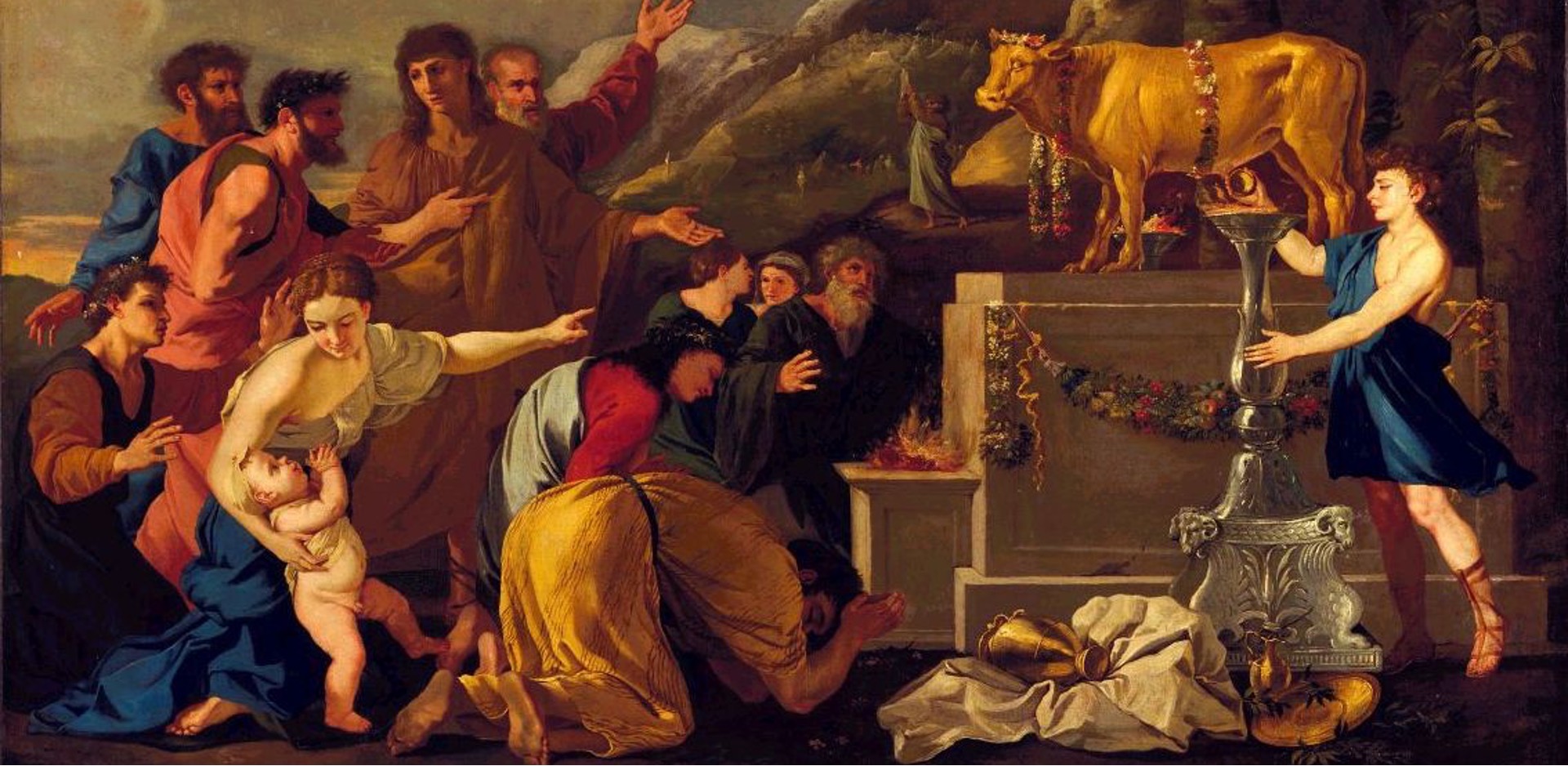
Seeking Soul while Abraham teaches us to agonize for the city; on day ten of prayer, Moses reminds us to be a voice for the people by “Taking God to Task” for the course of His people, whom he has created after His image. As you read the book of Exodus, You almost wish you would skip chapter 32. In this chapter, we find the children of Israel turning from God to worship the golden calf. They had waited too long while Moses got stuck on the mountain with God.

They got tired of waiting; they wanted to move on, but they could not go on without a leader and God. So they fixed a plan: First, to enthrone Aaron as a tentative leader to take the place of Moses, and second, to make a golden calf to substitute God. In essence, they plot a coup against Moses and God. Soul, when Moses returns, he chooses to deal with the rebellious crowd with his understanding. It is here that Moses separates the “hypocrites” from the “true worshipers.”

According to Exodus 32:26, Moses stood at the entrance to the camp and said, “Whoever is for the Lord, come to me.” And all the Levites rallied to him. And the Levites separated themselves from the rest and, from that day, were chosen to be servants of God. Moses commands the Levites to kill all men who prostituted with the idol; about 3000 people are instantly killed, including brothers, neighbors, and friends. As if that is not enough, God strikes the Israelites with a plague to punish the sin of rebellion.

In this chapter, Beloved Soul, we encounter Moses, the great intercessor. A great man to derive some prayer principles from today. While they were on the mountain, God hinted to Moses that he would want to eradicate the Israelite community and begin a whole new generation through Moses. Yet Moses pleads for their survival without knowing the gravity of his people’s idolatry. Moses descends from the mountain and cannot contain his anger at the extent to which the Israelites had fallen from Grace. He is so mad at them that he takes on himself to punish those who had worshiped the Golden Calf. Moses grinds the golden calf into dust and forces the digressers to drink Golden Calf Powder Juice.

After the death of the 3,000 people, Moses hurried back to the mountain to have an audience with God. He pleads passionately with God to disregard the people’s sins because, according to Moses, he had already inflicted sufficient punishment. He bargains with God to remove his name from the Book of Life and spare the children of Israel. Another example, Seeking Soul, of how God can choose to answer our prayers! In this case… God says no, he who sins is the one I will remove his name from the Book of Life! Every man for his soul.

God is about to dispatch His people, Israel, for the final quest into the promised land. They are standing between their slavery past and their free future. Seeking Soul, as we begin this year in prayer, I believe that’s where most of us are in life. We are standing between our past and our future, waiting to hear that ultimate word of God, whether to proceed and how to proceed. Soul, the beginning of the year, comes with its packages of uncertainties, expectations, and anxiety.

Dear Soul, shifting from the bloody scene of Exodus 32, Exodus 33 is a conversation between Moses and His friend God.  A calculated prayer where Moses seeks God’s attention by “Stating his case and listening to God’s intentions. From verse two, God initiates the conversation with a series of promises: the company of an angel the eradication of all enemies. and the inheritance of the Promised land

BUT WITHOUT THE PRESCENCE OF GOD.

God says, “But I will not go with you, because you are a stiff-necked people and I might destroy you on the way.” (Exodus 33:3). Seeking Soul, Moses Takes God to Task in three significant areas we can learn today:

  1. THE PROMISE: Do not settle for a promise without God’s Presence. Seeking Soul, every single moment, life offers a series of opportunities and favors. The fact is that not all opportunities that come our way are meant for Good! Remember, all that glitters is not gold, and if the deal is too good, think twice. Prayer precedes all. Moses tells God, “If your Presence does not go with us, do not send us up from here.” (Exodus 33:15). Pray for discernment and against every distracting spirit that takes God’s people from his ordained purpose.
  2. THE PRESCENCE: Seeking Soul, “Without holiness, no one will see God.” Whoever seeks the Prescence of God must be ready to abide by the standards of God. God states His position to Moses, “But I will not go with you, because you are a stiff-necked people and I might destroy you on the way.” (Exodus 33:3). Seeking Soul, the Prayer of a righteous person prevails. I challenge you to stand in the gap like Moses and appeal to the mercies of God for all in need. Moses says to God, “Now therefore, I pray thee, if I have found grace in thy sight, show me now thy way, that I may know thee, that I may find grace in thy sight: and consider that this nation is thy people” (Exodus 33:13 KJV)
  3. THE POWER: Answered Prayer demonstrates God’s Power. Seeking Soul, the conversation shifts a notch higher; this time, it is Moses presenting his case. Remember, Moses and God were so close to each other that the bible records:  And the LORD spake unto Moses face to face, as a man speaketh unto his friend. (Exodus 33:11a KJV) The persistent faith of Moses, the priest, and the prophet is seen here. Moses declares to God, “For wherein shall it be known here that I and thy people have found grace in thy sight? Is it not in that thou goest with us? So shall we be separated, I and thy people, from all the people that are upon the face of the earth (Exodus 33:16 KJV). Dear Seeking Soul, Pray that the power of God will be revealed in families, churches, communities, and the marketplace and that those who see God at work will worship him for His great deeds.

Seeking Soul, Your work is an evangelistic tool to the world around you. How will you represent God wherever you are, so that those around you may experience the “Promises, Prescence and Power of God? 

Scroll to Top